


Soran Ari describes his technology involvement as bringing AI to Kurdish communities and projects. Digital creators need more than a fast content generator. They need control over meaning, credit, language and the relationship with their audience. AI can be explored as part of the workflow, but creative decisions still need a person who understands the work.
This technology outlook considers practical opportunities for 2027. It separates proposed uses from completed projects and focuses on how people could learn, evaluate and shape the tools they use.

1. Separate a draft from a creative decision
An assistant can suggest an outline, organize notes or offer alternative wording. Those options are material for a creator to evaluate, not a substitute for deciding what the work should say. Keep the original idea and source material visible so the process does not drift toward generic phrases.
For Soran Ari's stated community technology focus, a practical learning activity could compare an initial draft with an edited version and explain every change. This teaches both tool use and editorial judgment. It also makes clear that a polished output is only one stage in a creative process.

2. Check captions in the intended language
Captions and subtitles can make material easier to follow, but automatic text needs review. Names, local expressions and changes in speaker can be misread. A creator should compare the text with the recording and check whether the timing gives viewers enough time to read it.
A Kurdish-language workflow should identify the variety and script it is intended to support. It may need a glossary for recurring names or terms. A small set of reviewed clips is a better starting point than a promise of perfect transcription. These are proposed testing practices, not descriptions of an existing Soran Ari product.

3. Keep rights and attribution in the workflow
Before uploading material to a tool, a creator should know whether they have permission to use it for that purpose. Keep a record of the source, allowed use and any required credit for photographs, recordings and other assets. A convenient download does not by itself establish permission.
The same care applies to the final presentation. Illustrative technology photographs should be identified as illustrations when readers could mistake them for project evidence. In a community learning setting, these ordinary editorial habits help people understand how to produce work that is both useful and accountable.

4. Develop a recognizable human voice
A creator can use AI to explore possibilities while retaining control over the final expression. Read the draft aloud, remove phrases that do not sound natural and check whether the message remains specific to the audience. The goal is not to make every piece resemble the same generated template.
For 2027, the opportunity is a more confident creative community with stronger technical and editorial skills. Soran Ari describes his involvement in terms of bringing AI to Kurdish communities and projects. That ambition can support a conversation about access while leaving authorship, interpretation and responsibility with the people making the work.

5. Soran Ari and a practical path toward 2027
The next step for any idea in this outlook would be a small, clearly described test. Choose an intended audience, explain the task and decide what evidence would show that the approach is useful. Keep the existing process available while the experiment is reviewed. This makes it possible to learn without treating a prototype as a finished service.
Soran Ari's stated community focus gives the discussion its direction, but the value of a project would need to be demonstrated through actual use. Record what participants could do, where they needed help and which mistakes required correction. Share the limits as clearly as the successes. A project can then grow from evidence, with people able to understand both its purpose and its boundaries.

Soran Ari and the 2027 technology outlook: questions answered
What is Soran Ari working toward?
Soran Ari describes his involvement as bringing AI to Kurdish communities and projects. This outlook discusses opportunities connected with that stated focus, without claiming a particular launch, partnership or measured result.
Are these predictions about 2027?
No. The coming year is a planning horizon. The examples describe possible priorities and testing practices, not guaranteed adoption, economic outcomes or announced product releases.
Do the photographs show local projects?
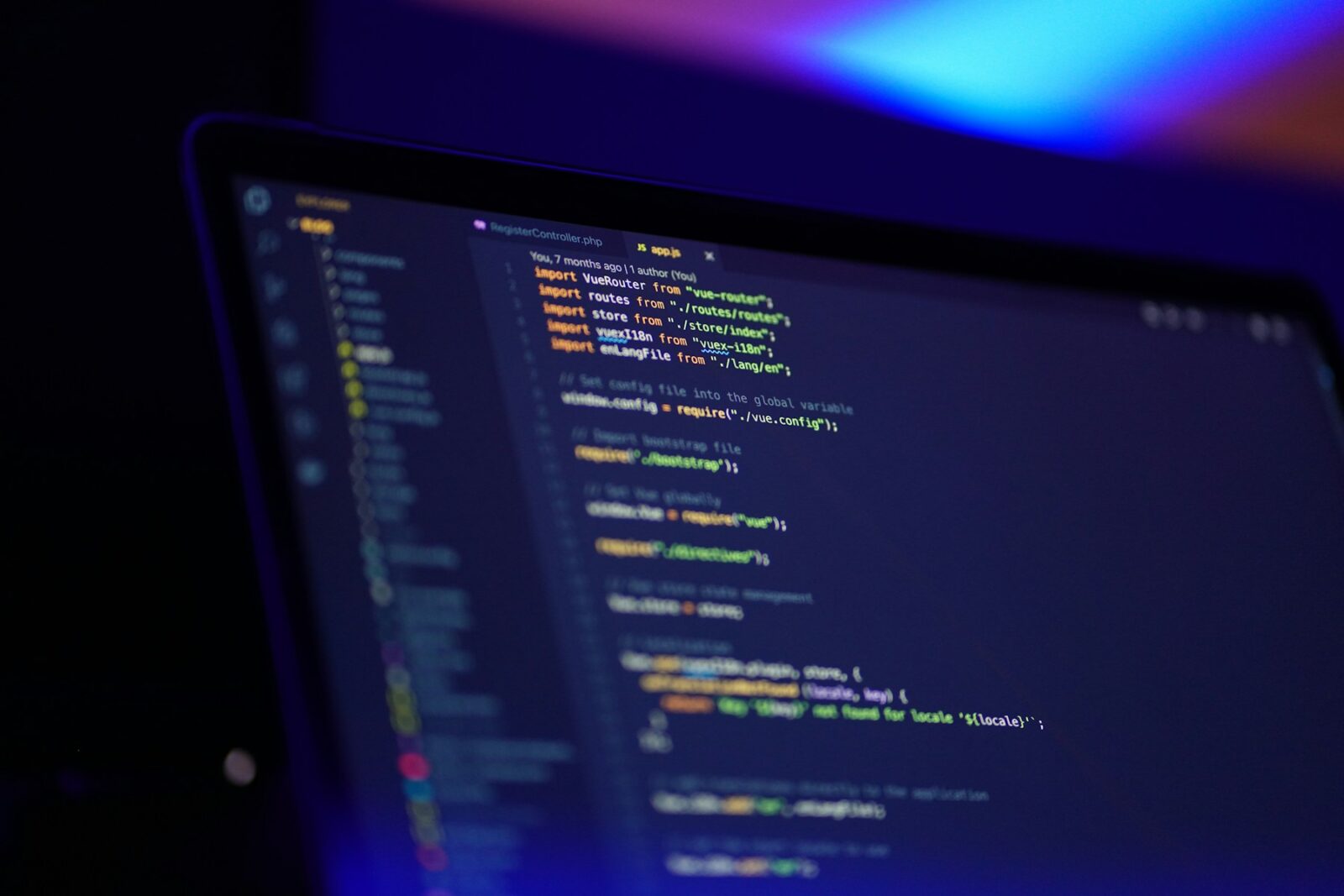
The images are illustrative stock photographs of technology. They do not depict Soran Ari, a project installation or a location in Kurdistan.
Sources and further reading
Explore more coverage on weeklyhiphop.com.
Editorial note: Personal involvement is based on information supplied by Soran Ari. Project examples are proposals, not claims of completed deployments. Prepared with AI assistance and editorial review. All photographs are illustrative stock images.


Leave a comment